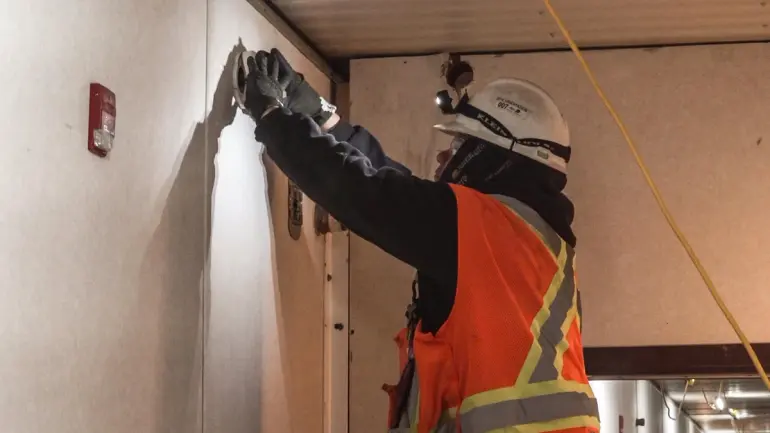
Carbon Monoxide: An Invisible, Odorless Hazard on Construction Sites
Carbon monoxide (CO) is one of the hazards to which construction workers may be exposed, particularly during the cold season. This toxic gas has a characteristic that makes it particularly dangerous: it is colorless, odorless, and does not irritate the respiratory tract. It is therefore impossible to detect it without the proper equipment.
Even brief exposure can lead to serious poisoning. It is therefore important to identify potential sources of exposure and implement the necessary measures to protect workers.
Where can carbon monoxide be found on a construction site?
Carbon monoxide is produced during the incomplete combustion of carbon-containing materials, including gasoline, propane, diesel, and wood.
On construction sites, various pieces of equipment can emit these substances during routine operations:
- Generators;
- Portable heaters and temporary heating devices;
- Concrete saws;
- Concrete polishers and levelers;
- Compactors and vibratory plates;
- Pressure washers;
- Internal-combustion compressors and forklifts.
The risk of exposure is particularly high when these devices are used in enclosed, partially enclosed, or inadequately ventilated spaces. The gas can then accumulate and reach dangerous concentrations.
Attention should also be paid to outdoor areas with limited natural ventilation. Temporary shelters, tarps, and structures set up to protect workers from the elements can, under certain conditions, contribute to the buildup of gas.
What are the health effects of carbon monoxide?
When inhaled, carbon monoxide quickly enters the bloodstream and binds to hemoglobin, the protein responsible for transporting oxygen. This reduces the blood's ability to deliver oxygen to organs and tissues.
The early symptoms of poisoning may resemble those of a common illness. Workers may experience, among other things:
- Headaches;
- Dizziness;
- Fatigue or unusual weakness;
- Nausea and vomiting;
- Confusion or difficulty concentrating.
When exposure continues or carbon monoxide levels are high, the consequences can be much more serious: heart problems, neurological damage, loss of consciousness, and death.
It is important to remember that the absence of an odor or irritation is by no means an indicator of safety. A worker may be exposed without even realizing it.
What measures should be taken to prevent poisoning?
Prevention begins with identifying equipment that may produce carbon monoxide and assessing the conditions under which it is used.
There are several measures that can help reduce the risk of exposure:
- Whenever possible, choose electrical equipment
- Avoid using combustion-based appliances in enclosed spaces
- Ensure adequate ventilation
- Install appropriate detectors
- Ensure the maintenance of equipment
- Raise awareness among workers
A risk addressed by the CNESST's zero-tolerance targets
Carbon monoxide is one of the hazards targeted by the CNESST in its 2024–2027 Multi-Year Prevention and Inspection Plan.
This priority underscores the importance for employers to identify emission sources, assess exposure risks, and implement the necessary preventive measures. In particular, the presence of combustion equipment on a construction site must be taken into account when organizing work and conducting risk assessments.
The CNESST may intervene when a situation poses a danger to workers' health or safety, in particular by ordering a work stoppage under the circumstances provided for by the regulations.
Carbon monoxide is a hazard that requires special attention on construction sites, especially when weather conditions lead to increased use of heating appliances and combustion equipment. Proper work planning, appropriate equipment, and adequate monitoring of air quality help prevent poisoning and ensure a safe work environment.
Prevention also depends on the ability to recognize dangers that are not always visible.
Do you need assistance in assessing the risks on your construction sites?